📦 Energy Gel EDGE Watermelon + Caffeine back in stock | 🇦🇺 Free shipping in Australia over 220 AUD
$0.00
0
Amino acid drinks and electrolytes: when to use them
Amino acids for endurance athletes sit in an awkward spot. Every BCAA product on the shelf promises less soreness and a faster turnaround, and the research is genuinely more mixed than the packaging suggests.
So this guide does two things. It explains what amino acids are and where the evidence is strong or weak, without overselling. Then it gets specific about doses, because that is where most of these products fall apart, and about when an amino drink earns its place in an Australian training week.
The short version
Under 90 minutes, you do not need aminos in the bottle. Past 90 minutes, and especially on back to back long days, an amino blend alongside your electrolytes is worth trying. Check the dose before you buy anything: most amino drinks carry a gram or two and hope you do not look. And remember it is not a fuel, so your carbohydrate still has to come from somewhere else.
Amino acids are the units protein is built from. Your body uses twenty of them. Nine are essential, meaning you cannot make them and have to eat them. Three of those nine are branched-chain amino acids, or BCAAs: leucine, isoleucine and valine. They get the attention in sport because they are metabolised largely in the muscle rather than the liver, which is how they became the marketing story of the supplement aisle.
Two others turn up in endurance formulas without being BCAAs. Glutamine is the most abundant free amino acid in the body and gets drawn on heavily through periods of high training load. Betaine is not an amino acid in the protein sense at all, it is a compound derived from choline, and it appears in endurance blends for reasons connected to fluid balance inside cells.
Being straight about the evidence
This is the part most BCAA pages skip, and it is the reason to trust the rest of the page.
Where the case is reasonable. The most consistent findings in BCAA research relate to how hard an effort feels and to muscle soreness in the days after unaccustomed or eccentric work. Several trials report lower perceived exertion and lower soreness scores. The effect sizes are modest, not transformational.
Where the case is weak. Direct performance improvement is not well supported. Reviews looking at time trial performance, power output and endurance capacity generally do not find that BCAAs make you faster. If a product claims otherwise, treat that as marketing rather than science.
The context that matters most. Almost all of the promising findings come from studies where total daily protein intake was low, or where athletes trained fasted. If you already eat 1.4 to 1.8 g of protein per kilogram of body weight per day and eat within a couple of hours of your sessions, adding aminos is an adjustment at the margin. Fix the total protein first. The timing side of that sits in when to take protein shakes.
The honest position: an amino drink is a marginal gain sitting on top of a solid diet, not a shortcut around one. It is most likely to matter to athletes on high volume, training twice a day, or backing up long sessions in short windows.
Read the dose, not the front of the pack
Here is the thing nobody tells you when comparing amino drinks. Almost every one of them lists the same six or eight amino acids on the front. What separates them is how much of each is actually in a serve, and that number is often buried or absent entirely.
A blend can legally list leucine on the label with fifty milligrams in it. So when you compare products, ignore the ingredient list and find the milligram figures. If a brand does not publish them, that usually tells you why.
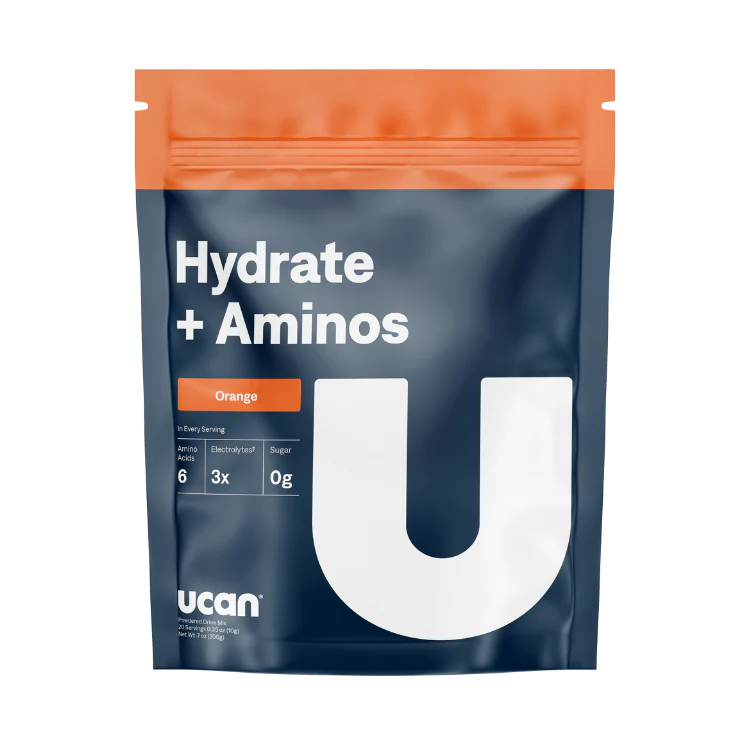
What is actually in UCAN Hydrate + Aminos
Read this properly before you build a session around it. It is a different product from standard Hydrate rather than a flavour variant, and it is not a carbohydrate product.
Amino acid
Per 10 g serve
Why it is in there
L-Glutamine
1,500 mg
The most abundant free amino acid in the body, and the one most drawn on during heavy training blocks
L-Leucine
1,500 mg
The most studied of the three BCAAs, and the one carried at the highest dose here
Betaine
1,000 mg
Not a BCAA. A choline derivative, included for its role in cellular fluid balance
L-Glycine
500 mg
A non-essential amino acid the body uses in large quantities in connective tissue
L-Isoleucine
500 mg
BCAA number two
L-Valine
500 mg
BCAA number three
Total
5,500 mg
Of which 2,500 mg is BCAA
Five and a half grams of amino acids in a ten gram scoop. Over half the product by weight is the amino blend, and it is published per amino acid rather than hidden behind the words proprietary blend. That is the specification to compare other drinks against.
The doses are moderate by design. A single serve is not a full clinical dose of any one of them. The logic is that on a long session you take two or three serves across three or four hours, which is how the amino supply gets spread rather than dumped in one hit.
Everything else, per serve
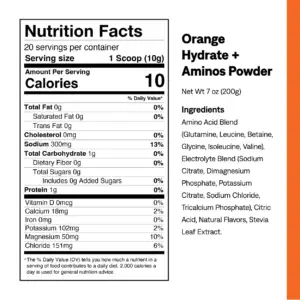
Hydrate + Aminos, Orange
Serve size
One 10 g scoop in 350 to 500 ml of water
Energy
10 calories
Carbohydrate
1 g
Sugars
0 g, none added
Sodium
300 mg
Chloride
151 mg
Potassium
102 mg
Magnesium
50 mg
Calcium
18 mg
Sweetener
Stevia leaf extract
Pack sizes
200 g bag, 20 serves. Or a box of 10 packets at 10 g each.
Do not treat this as fuel. One gram of carbohydrate per serve is a rounding error in a fuelling plan. Your carbohydrate still has to come from gels, powder or food. If you want the slow release carbohydrate, that is LIVSTEADY, and it lives in the Edge gels and the Energy Powder, not in this bottle.
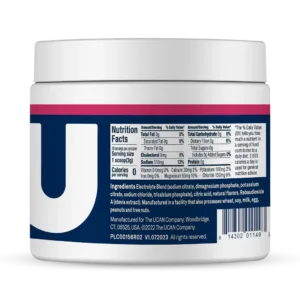
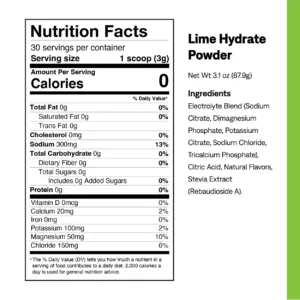
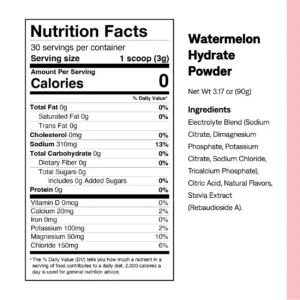
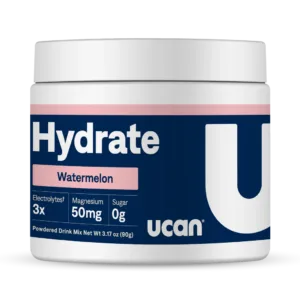
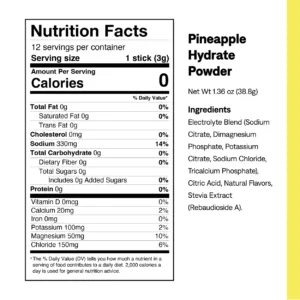
A 10 g scoop and 20 serves per bag, against a 3 g scoop and 30 serves on standard Hydrate.
When aminos are worth it, and when they are not
Your session
What goes in the bottle
Why
Easy run or ride under 60 minutes
Water
Nothing is being drawn down that your next meal will not cover
60 to 90 minutes, or hot conditions
Standard electrolytes
This is a fluid and sodium problem, not an amino one. Cheaper per serve too.
Long run or ride past 90 minutes
Electrolytes with aminos
Long enough that the amino pool is being drawn on across the session
Doubles, or long sessions on back to back days
Electrolytes with aminos
Short turnaround, and this is where the soreness data is most favourable
Ironman, ultra, multi-day events
Electrolytes with aminos
Efforts long enough that everything you can drink without gut trouble counts
Any session where you have not eaten since yesterday
Eat something first
An amino drink does not solve a fasted training problem. Food does.
Hydrate or Hydrate + Aminos
This is the question customer service gets most, so here it is side by side with nothing hidden.
Hydrate
Hydrate + Aminos
Scoop
3 g
10 g
Serves per pack
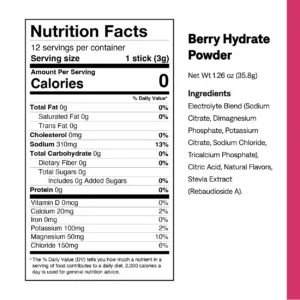
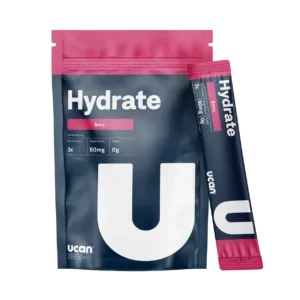
30 in the jar, 12 sticks in a box
20 in the bag, 10 packets in a box
Calories
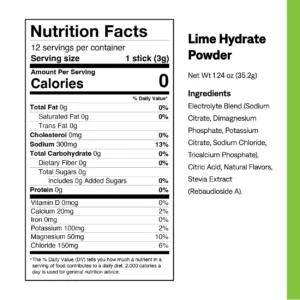
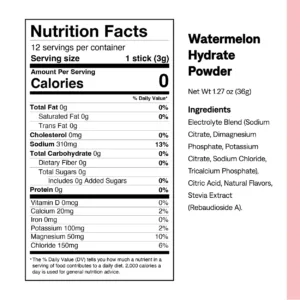
0
10
Carbohydrate
0 g
1 g
Sodium
300 to 330 mg by flavour
300 mg
Magnesium
50 mg
50 mg
Amino acids
None
5,500 mg across six, including 2,500 mg BCAA
Flavours
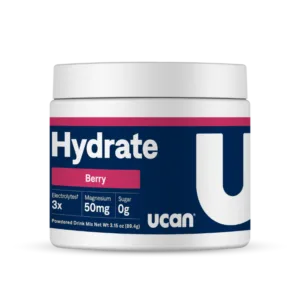
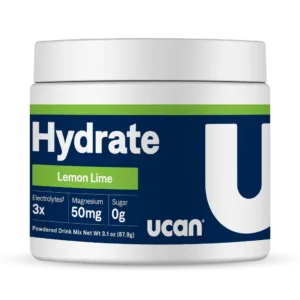
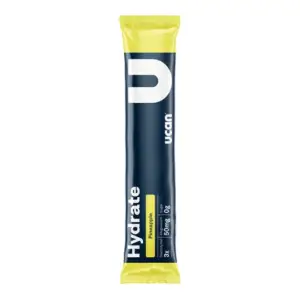
Berry, Lemon Lime, Watermelon, Pineapple
Orange only
Price per serve
$1.83 from the jar
$2.75 from the bag
Use it for
Everyday hydration, sessions under 90 minutes, hot days, rest days
Sessions past 90 minutes, doubles, back to back long days, long course race week
The price gap is the honest part of the decision. Ninety-two cents more per serve buys you 5.5 g of amino acids. Whether that is worth it depends entirely on your training load, which is why the table above splits it by session rather than telling you one is better. Most athletes who use both go through around three jars of standard sugar free electrolyte drinks for every bag of Aminos.
How to use it across a training week
Before a long session. One serve in 350 to 500 ml, 30 to 60 minutes out. You are topping up fluid and sodium before you start, which matters more at this point than the aminos do.
During long efforts. Sip steadily rather than in blocks. Most athletes land between 500 and 800 ml per hour in Australian heat. Work out your own number from a sweat test, which is set out step by step in the guide to hydration for marathon training.
After the session. One serve alongside your normal recovery meal, not instead of it. If the session was hard enough to need a real protein dose, that is the Energy + Protein range, which carries 19 to 23 g of protein per serve.
Sessions under 90 minutes. Skip it. Standard Hydrate is the simpler and cheaper choice and nothing is lost.
A worked long run, three hours in summer
Minus 45 minutes: one serve of Energy Powder for the carbohydrate base Start: 500 ml bottle with one serve of Hydrate + Aminos Hour 1: one Edge + Electrolyte gel, refill the bottle Hour 2: second gel, second serve in the bottle Hour 3: third gel, sip what is left Afterwards: a real meal within the hour
Across three hours that is roughly 900 mg of sodium from the bottle plus 600 mg from the gels, around 60 g of carbohydrate from the gels on top of the pre session base, and 11 g of amino acids spread across the session rather than taken in one hit.
Australian conditions and the events that justify it
Australian racing skews long and hot. UTA in the Blue Mountains, Ironman Cairns, the Hottest 7 in Hobart, multi-day gravel in the Victorian high country, summer century rides out of Perth. Those are events where you are drinking for four hours or more, and where anything you can get down without upsetting the stomach is worth having.
Two practical notes for that kind of racing. A sugar free drink does not go sticky in a soft flask or a bidon the way a sugar based mix does, which matters when you are refilling on the move and cleaning kit afterwards. And because there is effectively no carbohydrate in it, you can change how much you drink without recalculating your fuelling, which is not true of a carbohydrate drink mix. The same logic applies whether you are building for a road marathon or a long course triathlon, and the session specific versions sit on the marathon and triathlon pages.
If you want to try it
Orange is the only flavour, so there is no flavour decision to make. There is a format decision. The bag is the value option at 20 serves and lives at home. The packets travel and dose accurately without a scoop, which is what you want in a race vest or a jersey pocket. Test it on two or three long sessions before you build a race around it, and if you are new to the whole range the single sachets are the cheapest way in.
How many BCAAs are in a serve of UCAN Hydrate + Aminos?
2,500 mg of BCAAs per 10 g serve: 1,500 mg leucine, 500 mg isoleucine and 500 mg valine. On top of that sits 1,500 mg glutamine, 1,000 mg betaine and 500 mg glycine, for 5,500 mg of amino acids in total.
Do endurance athletes need BCAAs?
Need is a strong word. For sessions under 90 minutes, no. For sessions past 90 minutes, doubles and back to back long days, an amino blend alongside your fluid and sodium is a reasonable addition. It sits on top of adequate daily protein rather than replacing it, so sort the diet first.
What is the difference between Hydrate and Hydrate + Aminos?
They are different products, not variants. Standard Hydrate is a 3 g scoop with zero carbohydrate and zero calories, 30 serves per jar, in four flavours. Hydrate + Aminos is a 10 g scoop with 10 calories, 1 g of carbohydrate and 5,500 mg of amino acids, 20 serves per bag, in Orange only. Sodium is similar at 300 mg. The Aminos version costs around ninety cents more per serve.
Does Hydrate + Aminos count as fuel during a race?
No. It carries 1 g of carbohydrate and 10 calories per serve, which is not a meaningful contribution to a fuelling plan. Your carbohydrate needs to come from gels, powder or food. Treat this as a hydration product with amino acids added.
What is betaine doing in an amino acid blend?
Betaine is not an amino acid in the protein sense. It is a compound derived from choline and it appears in endurance formulas for reasons connected to fluid balance inside cells. It sits at 1,000 mg per serve here, which makes it the third largest ingredient in the blend after glutamine and leucine.
When should I take BCAAs, before, during or after exercise?
All three are used in practice. For most endurance athletes the clearest case is during a session that runs past 90 minutes, because you are already drinking and the supply is spread across the effort rather than arriving in one hit. Before and after work as well, but after training a proper protein dose from food or a protein powder does more.
Can I mix Hydrate + Aminos with Edge gels or Energy Powder in the same session?
Yes, and that is how the range is designed to work. A common long course setup is Hydrate + Aminos in the bottle for fluid, sodium and aminos, Edge gels at the points where you want concentrated carbohydrate, and an Energy Powder serve before the start as the base layer. Add the sodium from every source together so you know your hourly total.
Is Hydrate + Aminos sweetened with sugar?
No. It carries zero sugars and none added, and it is sweetened with stevia leaf extract. It is not a zero calorie product though, unlike standard Hydrate, because the amino blend contributes 10 calories per serve.
Nutrition figures read from the current pack label. Individual amino acid quantities as published by UCAN. Guidance here is general and not individual advice. Fluid and sodium needs vary widely between athletes and change with heat, humidity and fitness.
Track your energy, recovery, and gut comfort — notice the difference.
How to Use Amino Acids Across a Training Day
Before a long session (30–60 min out)
One serve of Hydrate + Aminos in 500ml of water. Topping up fluids, sodium and BCAAs before you start the session means your body isn’t playing catch-up from the first kilometre.
During long efforts (90+ min)
Sip steadily — most athletes work in a range of 500–750ml per hour in Australian heat. The BCAAs and slow-release carbs together support a steadier output across the back end of long sessions, where most fuelling problems show up.
After the session:
Hydrate + Aminos works as a recovery drink alongside your normal post-session meal — fluids, electrolytes and BCAAs in one. Pair it with a protein source within an hour or two of finishing.
Shorter sessions (under 90 min): You probably don’t need aminos in-session. Standard UCAN Hydrate is the simpler choice.
The bottom line: A hydration strategy that combines electrolytes, amino acids, and steady-release carbs isn’t just smarter — it’s faster, stronger, and more sustainable.
For sessions under 90 minutes, probably not. For sessions over 90 minutes — long runs, big rides, ultras, half/full Ironman — BCAAs alongside fluid, sodium and a steady-release carbohydrate can be a useful part of fuelling.
Standard Hydrate is a sugar-free electrolyte drink with LIVSTEADY carbs — built for shorter or moderate sessions. Hydrate + Aminos adds 2g of BCAAs per serve and is built for sessions over 90 minutes.
All three can work depending on the session. Before a long session, BCAAs alongside fluid and electrolytes mean you’re not starting from empty. During sessions over 90 minutes, sipping a BCAA-containing drink steadily helps maintain a small, ongoing supply across the effort. After training, BCAAs pair well with your normal recovery meal. For most endurance athletes, during the long session is where Hydrate + Aminos earns its place.
Yes. They’re built to work together. A common approach for long events: Hydrate + Aminos in the bottle for steady fluids, electrolytes and BCAAs across the session, plus Edge Energy Gels (with or without caffeine) at key points where you want a more concentrated carbohydrate hit — climbs, the back half of a marathon, or the run leg of a triathlon. UCAN Energy Powder can also be used pre-session if you want extra LIVSTEADY carbs without more fluid volume.
TIPS FOR A HEALTHY THANKSGIVING Thanksgiving is a time for gratitude, good food, and peaceful time at home with family. However, the holiday has gained...
THE IMPORTANCE OF NUTRITION FOR MENTAL FOCUS Mental focus, or the capacity to concentrate, is essential whether you’re taking part in a sporting event, working...
THE BEST ENERGY-BOOSTING FOOD COMBINATIONS Whether you’re facing a struggle at work or getting ready for a two-hour bike ride, a nutritious diet provides fuel...






 22Nov
22Nov  by
by 

Comments are closed