📦 Energy Gel EDGE Watermelon + Caffeine back in stock | 🇦🇺 Free shipping in Australia over 220 AUD
$0.00
0
Sugar Based vs Sugar Free Energy Gels: Which Works Better for Endurance?
If you have ever gone hollow at the 30km mark, or felt your stomach turn somewhere around halfway, you already know the gel question matters. Sugar based vs sugar free energy gels is not a marketing argument. The two work on completely different timescales, and the one that suits you depends on how long you are out there and how your gut behaves under load.
The energy gel market in Australia has split into two camps. Sugar based gels, which have been around for decades and dominate most race aid stations. And a newer wave of sugar free gels built around slow release carbohydrate. Both work. They just work differently, and they suit different athletes and different sessions.
The short version
Under 90 minutes, a sugar gel arrives faster and that is usually enough. Past 90 minutes, a slow release gel holds a longer window on fewer sachets and asks less of your stomach. Most experienced athletes carry both and use each for what it is good at.
The classic energy gel formula is a concentrated mix of simple sugars, usually glucose plus fructose in a 2:1 ratio. The reasoning is sound. Glucose is absorbed through the SGLT1 pathway in your gut, fructose through GLUT5. Using both lets a manufacturer push more carbohydrate through your system per hour than glucose alone allows.
For a short, hard effort this works well. You take a gel, the energy arrives within ten to fifteen minutes, and you feel it. For a 10k or a sprint distance triathlon, that is often all you need.
The problem starts on longer days.
Concentrated sugar gels sit in your stomach as a thick syrup. Your gut has to dilute them before it can absorb anything, which is why most brands tell you to chase a gel with water. If you are already short on fluid, or the effort has pulled blood away from your digestive system, that dilution does not happen efficiently. The result is the bloating and nausea that something like 30 to 50 percent of endurance athletes report experiencing at some point.
The second issue is the shape of the curve. Energy that arrives fast also leaves fast. Twenty to thirty minutes after the gel you can be back where you started, which is why standard race nutrition advice has you taking the next gel before the last one has worn off. You are topping up on a timer rather than riding a single serve.
Maurten, SiS, GU and PowerBar all use variations of this approach. Some, like Maurten, encapsulate the sugar in a hydrogel to slow how quickly it leaves the stomach. It is a genuine innovation and it helps with gut tolerance, but the underlying fuel is still glucose and fructose, with the same fast in, fast out profile. We break the four brands down side by side in the energy gel comparison.
How sugar free, slow release gels work
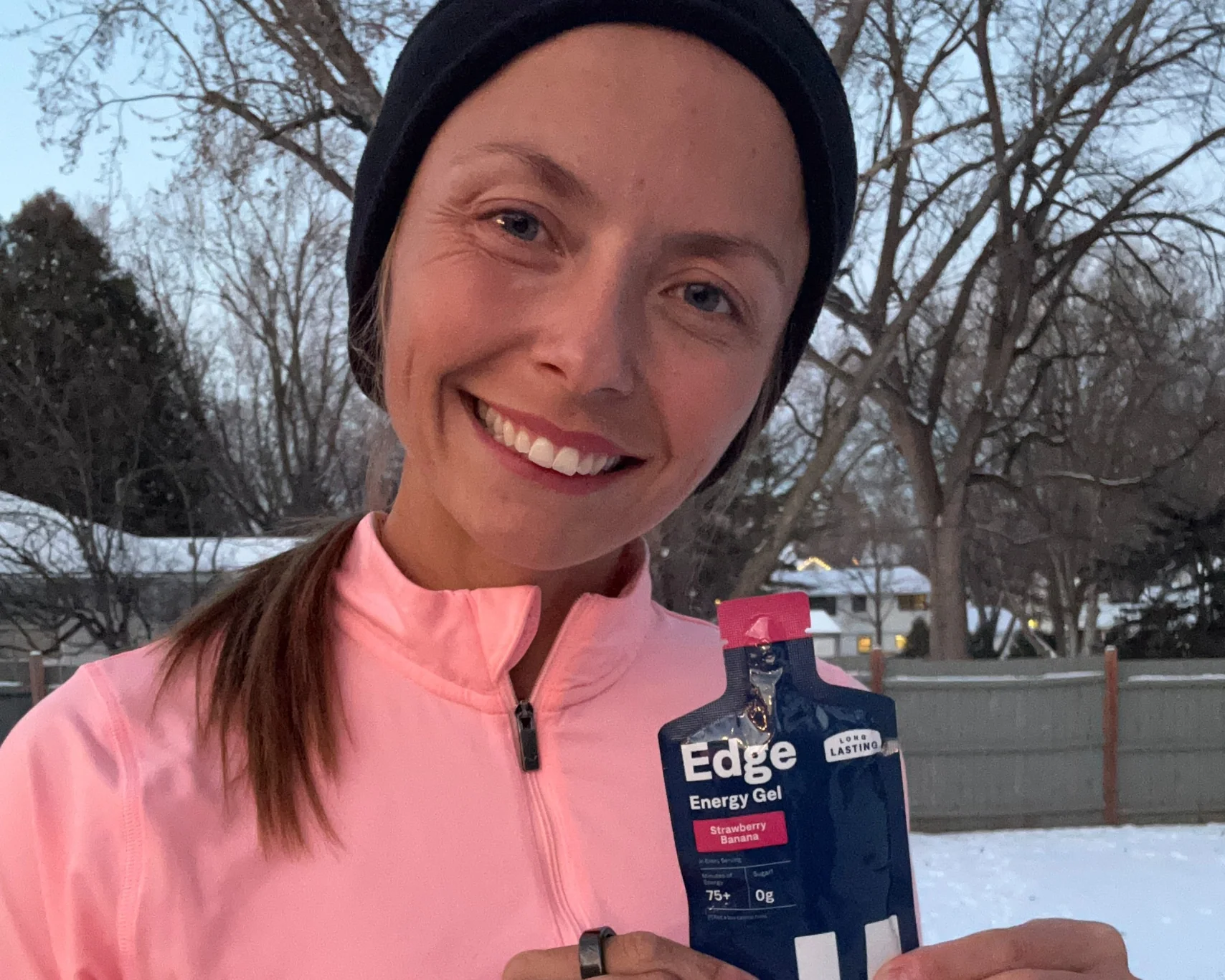
The alternative approach, which UCAN built its product line around, swaps simple sugars for a slow release carbohydrate called LIVSTEADY. Rather than delivering everything at once, LIVSTEADY releases across 75 minutes or more from a single serve.
The practical difference is significant. One gel covers a longer window, so you carry fewer of them. The energy arrives level rather than in a wave, so there is no dip to chase twenty minutes later. And because there is no concentrated sugar load to dilute, your stomach handles it more easily, even when you are running hard or in heat.
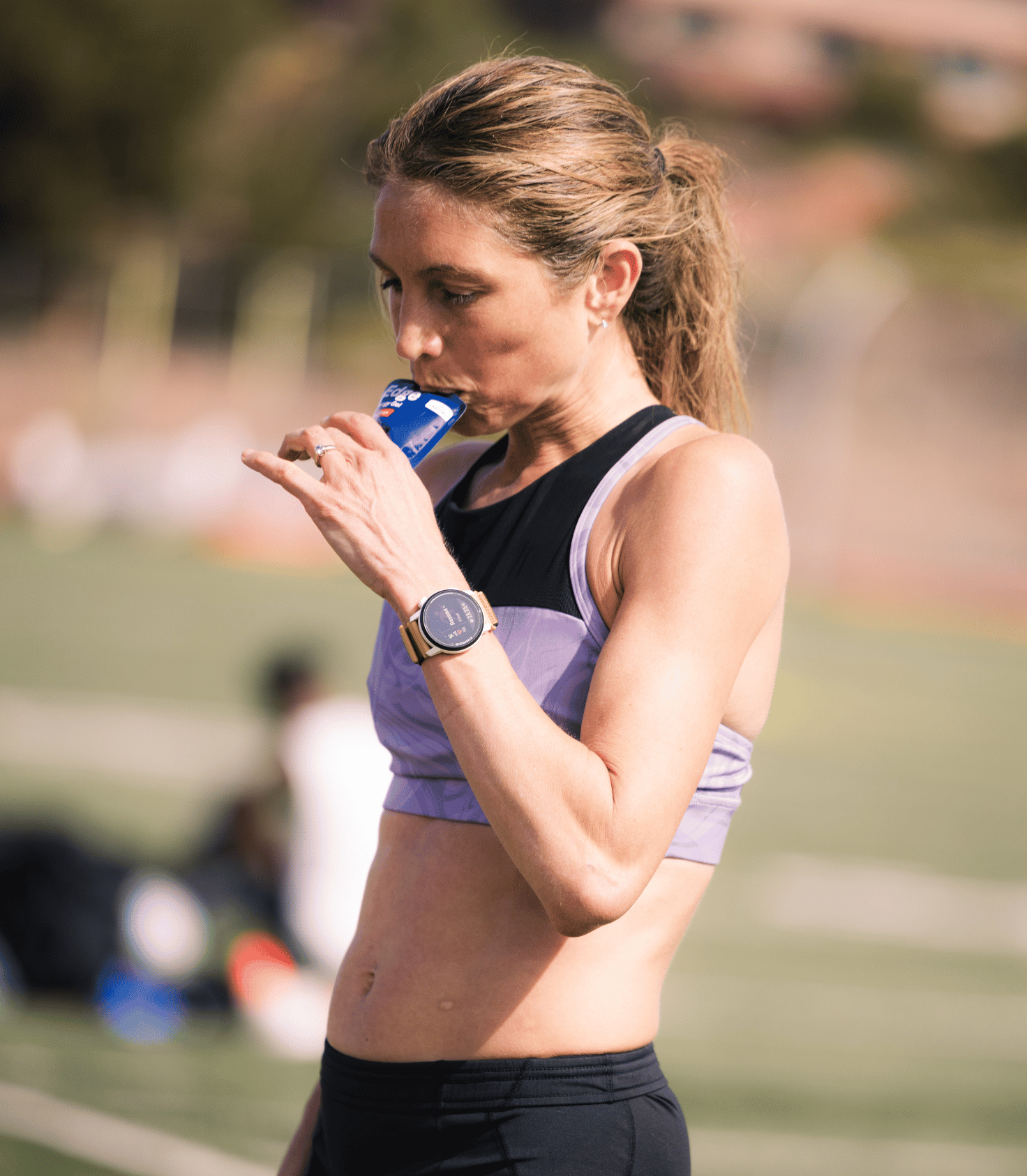
This is the formula UCAN EDGE is built on. The same carbohydrate used by Olympic marathoners including Sara Hall and Meb Keflezighi, and by Ironman athletes who cannot afford to gamble on their gut at km 35 of the marathon leg.
The trade off is honest. If you want a fast lift for a sprint finish, a sugar gel will arrive quicker. LIVSTEADY is not built for that. It is built for steady fuel across hours rather than minutes.
Sugar based vs sugar free energy gels, side by side
Factor
Sugar based gels
Sugar free, LIVSTEADY gels
Energy from one serve
20 to 30 minutes
75 minutes or more
How often you take one
Every 20 to 30 minutes
Every 45 to 60 minutes
Sachets over a four hour race
8 to 10
4 to 5
Sugar per serve
20 to 30 g
0 g
Energy curve
Fast in, fast out
Level across the window
Texture and water needed
Thick, needs chasing with water
Thin liquid, very little water needed
Gut tolerance
Variable, 30 to 50% report distress at some point
High, built for sessions that run long
Fast sprint fuel
Excellent
Not the primary use case
Daily fuelling outside racing
Not the point of the format
Works for everyday training
Which energy gel should you choose?
It depends on what you are training for, how your gut behaves under stress, and what kind of athlete you are. Here is how the choice usually breaks down.
Sugar based gels work best when
You are racing under 90 minutes and want fuel that arrives fast
You need a lift for the final push of a race
You have trained your gut to handle concentrated glucose and fructose
You prefer the sweeter, syrup like flavour profile
Sugar free, slow release gels work best when
You have had gut trouble with traditional gels
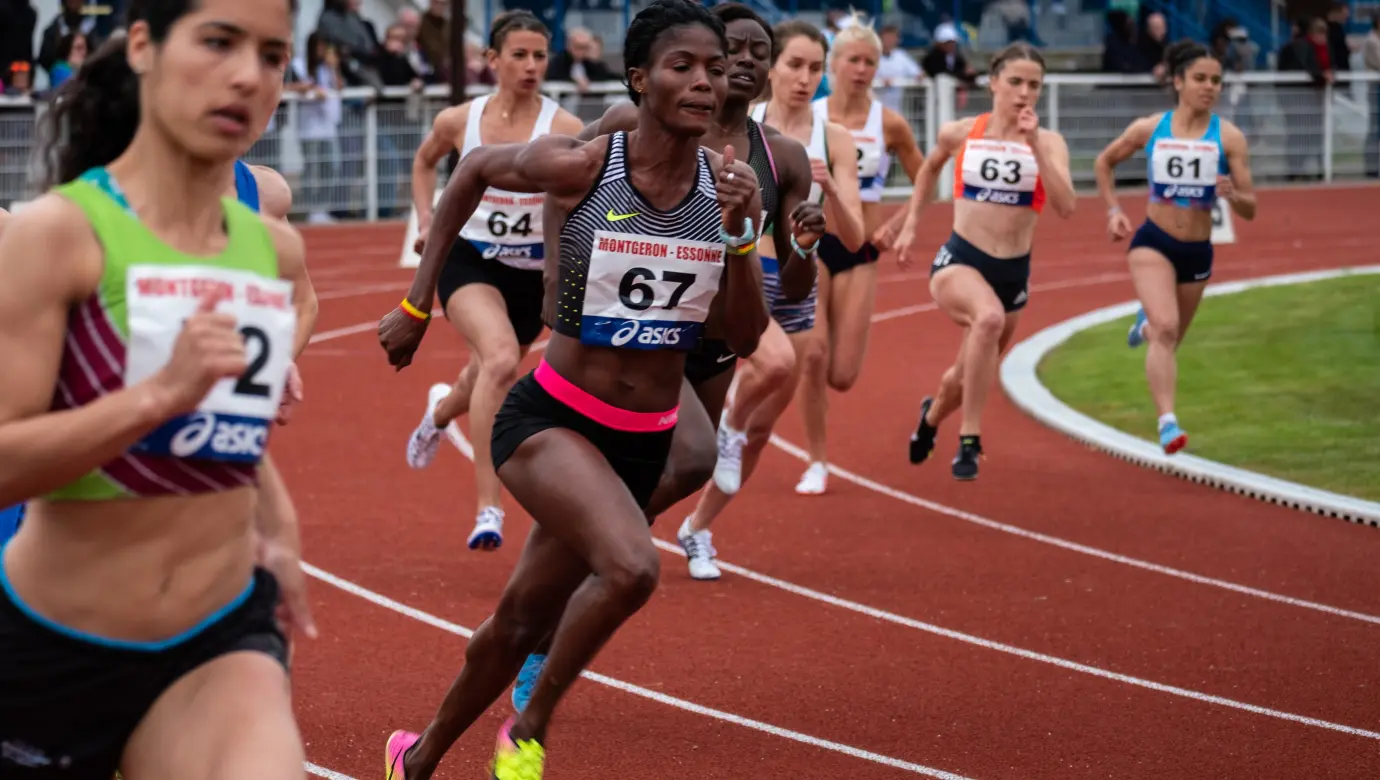
You are training for a marathon, an ultra or an Ironman
You want energy that stays level rather than arriving in waves
You want a gel that fits everyday training, not just race day
You fuel several sessions a week and want consistency
You train in heat, where gut issues get worse
Many athletes use both
The best fuellers are not loyal to one camp. They use sugar free gels through long training blocks and the bulk of a race, and keep a sugar gel in the kit for the final kilometres when they want something to arrive quickly. It works particularly well for Ironman athletes managing the marathon leg: a steady approach for the first 30km, a sugar gel for the last push.
What Australian endurance athletes are switching to
Talk to a running coach in Sydney or Melbourne and you hear the same shift. Athletes who spent years on traditional gels are moving to sugar free options, particularly for longer events. The reasons are usually personal. A bad gut day at an A race. The realisation that the flat afternoon after a long run was wrecking the rest of the day. The discovery that they had been masking poor aerobic conditioning with sugar all along.
UCAN's adoption among elite Australian and international endurance athletes reflects this. Meb Keflezighi, four time US Olympian and Boston Marathon champion, fuels with UCAN. So does Sara Hall, American marathon record holder. Closer to home, Ironman athletes across the Gold Coast and Cairns are increasingly building UCAN into their long course nutrition.
If you are curious whether the switch makes sense for you, the easiest way to test is with a sample. Single serve sachets let you try EDGE on a long run before committing to a full box.
Are sugar free energy gels better for the stomach?
Generally yes, particularly for athletes with a history of gut trouble on traditional gels. The reason is not complicated. A LIVSTEADY based gel does not carry a concentrated sugar load that has to be diluted before anything is absorbed, so it clears the stomach with very little water behind it. Every gut is individual, which is why you test new fuelling in training and never on race day.
Do sugar free gels give as much energy as sugar gels?
Yes, but the delivery is different. A sugar gel arrives fast and is gone fast. A LIVSTEADY based gel releases the same carbohydrate across a longer window, so the energy feels level. For a 5k the sugar gel feels more responsive. For a marathon the slow release version usually wins, because you are not topping up every twenty minutes.
Can I use sugar free gels for a marathon?
A marathon is exactly where slow release gels perform best. The race is long enough that the release rate matters, your gut is under load for hours, and topping up every twenty minutes is one more thing to manage. Most marathoners using UCAN EDGE take one gel every 45 to 60 minutes, plus a serve of UCAN Energy Powder 30 to 45 minutes before the start.
What is the best sugar free energy gel in Australia?
UCAN EDGE is the only LIVSTEADY powered sugar free gel currently available in Australia, shipped from our warehouse in Dandenong South, Victoria. Free shipping on orders over $220. Nine flavours, one of them with added caffeine.
Can I mix sugar free and sugar based gels?
Yes, and many experienced endurance athletes do exactly this. A common Ironman strategy is EDGE through the bike leg and the first 30km of the marathon, then a sugar gel for the final 12km when you want something to arrive quickly. Whatever combination you choose, test it in training first.
Do sugar free gels work for races under 90 minutes?
They work, but the advantage is smaller. For a 5k or 10k a sugar gel arrives faster, which can matter for short, intense efforts. The longer the race, the more the slow release advantage compounds. Around 90 minutes is roughly the point where one serve covering a long window starts to beat the top up cycle.
How many sugar free energy gels do I need for a marathon?
Four to five for a four hour race, taken every 45 to 60 minutes, plus one serve of Energy Powder 30 to 45 minutes before the start. On sugar gels the same race takes eight to ten sachets. That is the practical difference in your shorts, not just on a chart.
Ready to test it for yourself?
The fastest way to know whether sugar free gels suit your gut and your training is to take one on a long run. Order single serve sachets or browse the full UCAN EDGE range. Free shipping on Australian orders over $220, dispatched from Dandenong South, Victoria.
Figures for sugar based gels are typical of the category rather than of any single brand, taken from published nutrition panels and dosing guidance, correct as at August 2026. Guidance here is general and not individual advice. Gut tolerance varies widely between individuals. Test any change to your fuelling in training before you race it.
Sports Dietitian Bob Seebohar was the personal sports dietitian for the 2008 U.S. Olympic Triathlon team and takes a cutting-edge approach to nutrition with his Metabolic Efficiency
The combination of white, pink blast, total orange and bright crimson will mark Nike's presence in Tokyo across select performance and lifestyle products.
We’re all familiar with the afternoon slump. You’re going about your day, feeling fine, but then 2 p.m. hits—and instead of thinking about a pre-dinner workout, you’re suddenly thinking about a pre-dinner nap.
Best Caffeine Gel for Endurance: How Caffeine Fuels Performance For most endurance athletes, caffeine is part of the ritual. A coffee before a morning run,...
by Sarah UCAN AUS Team1531Comments Off on Best Caffeine Gel for Endurance: How Caffeine Fuels Performance


 by Sarah UCAN AUS Team
170
Comments Off on How Sara Hall Takes Her Training to the Next Level with UCAN
by Sarah UCAN AUS Team
170
Comments Off on How Sara Hall Takes Her Training to the Next Level with UCAN 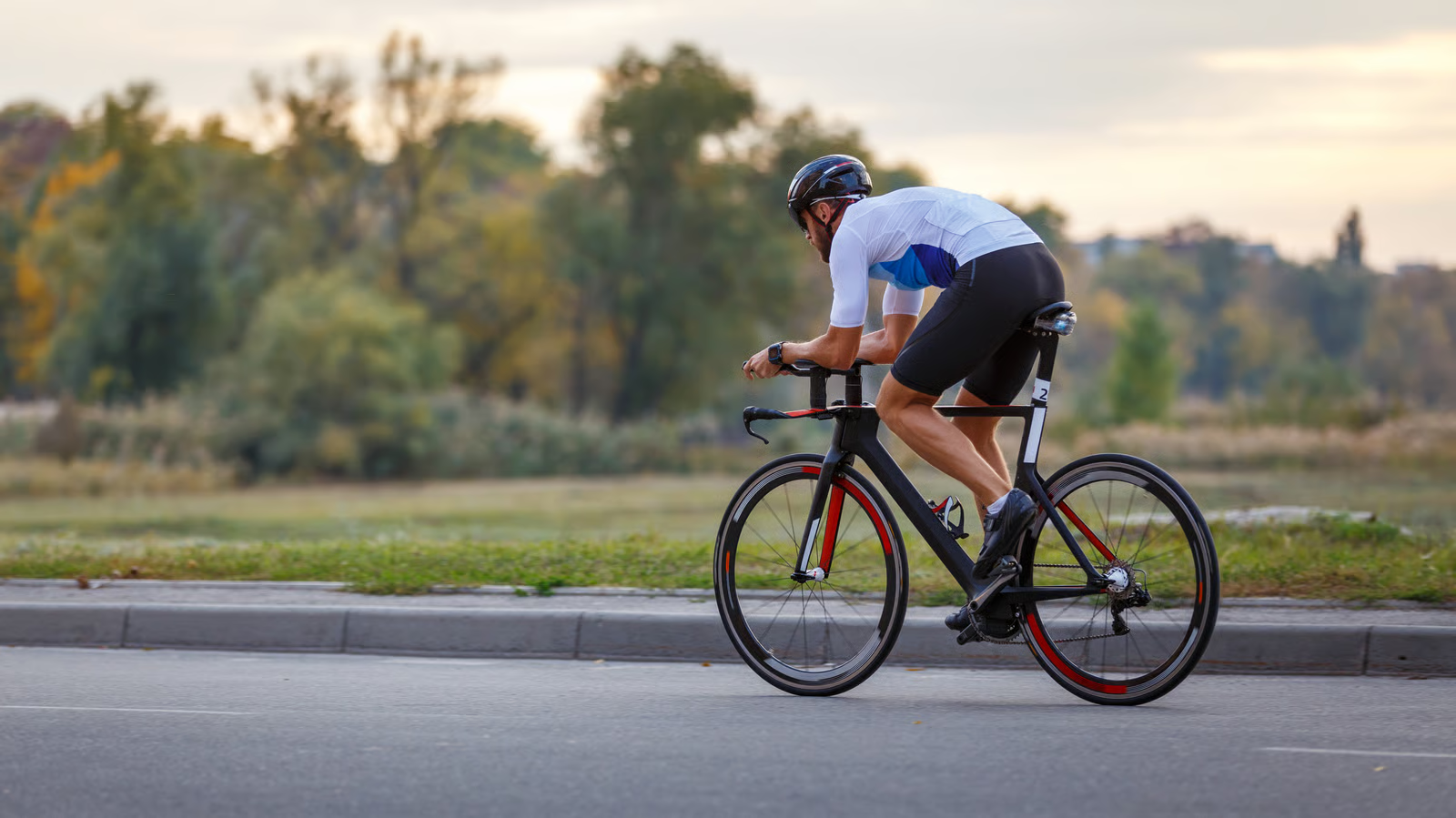

Comments are closed