📦 Bars Peanut Butter & EDGE Watermelon + Caffeine back in stock | 🇦🇺 Free shipping in Australia over 220 AUD
$0.00
0
Triathlon Fueling Guidelines
A triathlon nutrition plan has to survive three disciplines, two transitions and a stomach that has been working under load for hours. What holds up on the bike often falls apart on the run, which is why the plan has to be built by distance rather than by preference.
Here are the protocols for sprint, olympic, 70.3 and full distance, using only products you can order in Australia.
The pattern behind every distance
One serve of Energy Powder 30 to 45 minutes before the swim. One EDGE gel every 45 to 60 minutes once you are on the bike. Hydrate running alongside all of it. One serve of Energy + Protein within the hour after you finish. Everything below is that pattern, scaled to how long you will be out there.
Why triathlon fuelling is harder than running fuelling
Three things make it different, and all three point in the same direction.
You cannot eat on the swim. Whatever you take before the start has to still be working when you get on the bike, which for a 70.3 can be 40 minutes later.
The bike is where you fuel, the run is where you pay. Almost every fuelling plan that falls apart on race day falls apart on the run leg, and the cause was usually a decision made two hours earlier on the bike.
Your gut is under load for hours, not minutes. Five or six hours of concentrated sugar is a lot to ask of a digestive system that is already competing for blood flow with your legs.
This is the case for a slow release carbohydrate rather than a sugar based one. Fewer sachets, a longer window from each, and very little water needed to get it down. The mechanism is in what is LIVSTEADY.
Sprint triathlon
Around 750 m swim, 20 km bike, 5 km run. Most athletes finish in one to two hours, and at that duration the fuelling question is simpler than people make it.
When
What to take
2 hours before
Your normal pre race breakfast, nothing new
30 to 45 min before
1 serve Energy Powder in 500 ml, or 1 EDGE gel if you prefer to keep it simple
Bike, under 2 hr total
Nothing needed. Sip Hydrate if it is warm
Bike, 2 to 3 hr total
1 EDGE gel about 15 minutes into the bike
Run
Nothing. It is 5 km, and what you took before the start is still working
Within 1 hr after
1 serve Energy + Protein
The most common sprint mistake is overfuelling. At this duration you are not running out of energy, so anything extra is just something else for your stomach to manage while you are working hard.
Olympic distance triathlon
Around 1.5 km swim, 40 km bike, 10 km run. Two to three hours for most, longer for some, and this is where the plan starts to matter.
When
Finishing 2 to 3 hours
Finishing 3 hours or more
30 to 45 min before
1 serve Energy Powder
1 serve Energy Powder
Bike
1 EDGE gel at 30 minutes
1 EDGE gel at 20 minutes, another as close to the end of the bike as you can manage
Run
1 EDGE gel at 15 minutes, optional
1 EDGE gel 20 to 30 minutes in
Throughout
Hydrate in the bike bottle
Hydrate in the bike bottle
Within 1 hr after
1 serve Energy + Protein
1 serve Energy + Protein
Timing the last bike gel close to T2 is the detail worth stealing. It means you start the run with something already working rather than reaching for a sachet while your legs are still finding the pace.
70.3 triathlon
1.9 km swim, 90 km bike, 21.1 km run. Four to seven hours, and now the gut is the limiting factor rather than the legs.
When
Finishing 4 to 5 hours
Finishing 5 hours or more
2 hours before
Normal breakfast plus 1 serve Energy + Protein
Normal breakfast plus 1 serve Energy + Protein
30 to 45 min before
1 serve Energy Powder
1 serve Energy Powder
Bike
1 EDGE gel at 20 minutes, then 1 every 60 minutes
1 EDGE gel at 20 minutes, then 1 every 60 minutes. Time the last one close to T2
Run
1 EDGE gel 20 to 30 minutes in, then 1 at the hour
1 EDGE gel every 60 minutes across the half
Throughout
Hydrate, or Hydrate + Aminos for the added amino acids
Hydrate + Aminos on the bike, Hydrate on the run
Within 1 hr after
1 serve Energy + Protein
1 serve Energy + Protein
Total for a five hour 70.3: one serve of Energy Powder and roughly six to seven EDGE gels. On sugar based gels the same race takes twelve to fifteen sachets, which is the difference you feel in the second half of the run.
Full distance triathlon
3.8 km swim, 180 km bike, 42.2 km run. Nine to seventeen hours. At this distance the plan is not about maximising anything, it is about being able to keep taking it in at hour eight.
When
What to take
2 hours before
Normal breakfast plus 1 serve Energy + Protein
30 to 45 min before
1 serve Energy Powder
Bike
1 EDGE gel at 15 minutes, then 1 every 60 minutes for the whole leg. Time the last one close to T2
Run
1 EDGE gel every 60 minutes. This is the leg that decides the day, so hold the interval even when you do not feel like it
Throughout
Hydrate + Aminos on the bike, Hydrate on the run. Run the sweat test first so the sodium number is yours
Caffeine
Skip it before the swim. Save it entirely for the marathon leg, spaced across it
Within 1 hr after
1 serve Energy + Protein
The caffeine line is the one most athletes get wrong. Loading it at 6 am leaves nothing in reserve for the leg that actually decides your day. The arithmetic on total dose is in the caffeine gel guide.
Everything above is a starting point. Three things move the numbers.
Intensity. A four hour 70.3 burns more per hour than a six hour one. If you are racing near the front, shorten the interval rather than increasing the dose.
Conditions. Heat and humidity change the sodium side far more than the carbohydrate side. The sweat rate test takes one long session and it gives you a number instead of a range.
Your gut. Tolerance is trainable, but only if you practise at race intake rather than below it. Three long bricks at the full protocol is the minimum before you race it.
Some triathletes use this as their only fuel source. Others run it as the base layer and add a fast carbohydrate at specific moments, typically the last hour of the run when they want something to arrive quickly. Both work.
Frequently asked questions
What should a triathlon nutrition plan look like?
One serve of slow release carbohydrate 30 to 45 minutes before the swim, one gel every 45 to 60 minutes from early in the bike leg, electrolytes running alongside all of it, and protein within the hour after you finish. Scale the number of gels to how long you will be racing, not to how fast you are.
How do I fuel a 70.3?
One serve of Energy Powder 30 to 45 minutes before the start, one EDGE gel at 20 minutes on the bike and then every 60 minutes, timing the last one close to T2, then one every 60 minutes across the run. Hydrate or Hydrate + Aminos in the bike bottle throughout. A five hour race works out at roughly six to seven gels.
Should I fuel during a sprint triathlon?
Usually not. Under two hours, what you took before the start is still working, and adding more is one more thing for your stomach to manage. If you are going past two hours, one gel about fifteen minutes into the bike covers it.
Can I fuel on the swim leg?
No, which is why the pre race serve matters more in triathlon than in running. A slow release carbohydrate taken 30 to 45 minutes before the start is still working when you get on the bike, even after a 40 minute swim.
Why does my stomach fail on the run leg?
Almost always because of what happened on the bike. Concentrated sugar taken over several hours has to be diluted in the gut before anything is absorbed, and by T2 that volume is still sitting there. A gel that clears the stomach with very little water behind it removes the main variable.
How much sodium do I need in a long course race?
Most published guidance sits between 300 and 600 mg per hour, with the upper end for heavy or salty sweaters in heat. Add the sodium in your gels to the sodium in your bottle to get the total. Your own figure comes from a sweat rate test, which takes one long session.
This food is a formulated supplementary sports food and is not a sole source of nutrition. It should be used in conjunction with an appropriate physical training or exercise programme and consumed in conjunction with a nutritious diet. Not suitable for children under 15 years of age or pregnant women. Guidance here is general and not individual advice. Carbohydrate tolerance, sweat rate and sweat sodium concentration vary widely between individuals. Test any change to your fuelling in training before you race it.
What the protocol needs
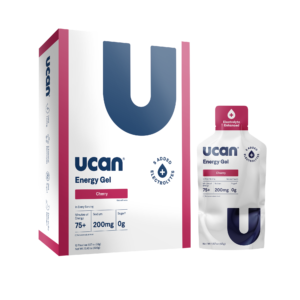
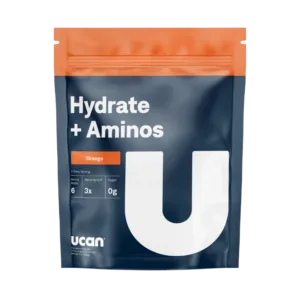
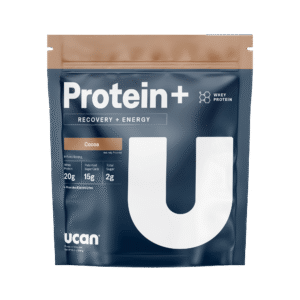
Four products, and where each one sits in the race.
The combination of white, pink blast, total orange and bright crimson will mark Nike's presence in Tokyo across select performance and lifestyle products.
We’re all familiar with the afternoon slump. You’re going about your day, feeling fine, but then 2 p.m. hits—and instead of thinking about a pre-dinner workout, you’re suddenly thinking about a pre-dinner nap.
Best Caffeine Gel for Endurance: How Caffeine Fuels Performance For most endurance athletes, caffeine is part of the ritual. A coffee before a morning run,...
by Sarah UCAN AUS Team1346Comments Off on Best Caffeine Gel for Endurance: How Caffeine Fuels Performance
Best Electrolyte Drink in Australia: How to Choose Best Electrolyte Drink in Australia: How to Choose Best Electrolyte Drink in Australia: How to Choose Best...



 by Sarah UCAN AUS Team
108
Comments Off on How Sara Hall Takes Her Training to the Next Level with UCAN
by Sarah UCAN AUS Team
108
Comments Off on How Sara Hall Takes Her Training to the Next Level with UCAN 

Comments are closed