New to UCAN?
By Generation UCAN. Last Updated: 15 October 2025.
Alright, let’s get straight to it. For any endurance athlete in Australia who’s serious about their nutrition, the answer to is soy sauce gluten free is a hard no for the standard stuff. Seriously. That bottle you’d grab off the shelf at Woolies or Coles? It’s almost always fermented with wheat, making it a definite no-go if you have coeliac disease or even a slight gluten sensitivity.
The last thing you need when you’re prepping for a big race like the Gold Coast Marathon is something that triggers inflammation, gut issues, and fatigue. But that’s exactly what can happen with the wrong soy sauce — and for athletes, ‘wrong’ can mean days or weeks of compromised training quality.
Contents
Let’s cut right to the chase. For an athlete, hidden gluten isn’t just a minor inconvenience—it can be a training blocker. I’ve seen it derail race prep: sudden GI flare-ups, sluggish recovery between sessions, and lost training intensity. The chief reason is simple: wheat is a fundamental part of traditional soy sauce brewing. It isn’t a filler — it supplies the sugars koji needs to make that deep umami we crave.[1]
This infographic (below) shows how common wheat is in standard soy sauce across supermarket ranges — a visual reminder that colour, bottle shape, or brand familiarity aren’t reliable indicators of gluten content. You must check the label and certification to be safe.

Australia and New Zealand follow the Australia New Zealand Food Standards Code. Any product claiming ‘gluten-free’ must meet the code’s requirements (generally interpreted as <20 ppm gluten and appropriate labelling). The code also requires allergens such as wheat to be declared in bold or within a “Contains:” statement so you can spot risks quickly.[2]
Coeliac Australia runs an endorsement program — the crossed-grain logo — that signals independent testing and product suitability for people avoiding gluten. When you see that symbol, you can trust the product is safe for coeliacs and highly sensitive athletes.[3]
To make it dead simple when you’re in the sauce aisle or ordering a meal, this quick comparison breaks down exactly what you need to look for.
| Feature | Traditional Soy Sauce | Gluten-Free Soy Sauce (or Tamari) |
|---|---|---|
| Main Grains | Soybeans and roasted wheat | Almost exclusively soybeans (true tamari) or specially brewed soy sauces tested <20 ppm |
| Gluten Status | Contains gluten | Gluten-free (when certified) |
| Safe for Coeliacs? | No | Yes — look for Coeliac Australia endorsement or independent lab result |
| Flavour Profile | Complex umami, sometimes sweeter | Richer, darker (tamari) or milder and slightly sweet (coconut aminos) |
Bottom line: Don’t let a small condiment derail your training. Always opt for a bottle that explicitly states it’s gluten-free or carries the Coeliac Australia crossed-grain endorsement. For race week — no compromises.
You’ve picked up a bottle of ‘soy’ sauce, glanced at the ingredients, and seen wheat. Why is it there? It’s not a sneaky cost-cutting trick; it’s core food science. The wheat supplies the carbohydrates that the koji mould uses to produce amino acids and sugars — the chemical backbone of soy sauce’s umami.[4]
The process is ancient but biochemical: soybeans supply protein, wheat supplies fermentable carbs, koji (Aspergillus oryzae) produces proteases and amylases to break both down, and a long salt fermentation creates the final flavour. Remove the wheat and the profile changes significantly; the manufacturers often use wheat because it reliably supports koji-driven fermentation at scale.[4][14]
What to do: If you want the fermented depth without gluten, choose certified tamari or a proven gluten-free brewed soy sauce. If you’re using a recipe calling for soy sauce in race-week meals, swap 1:1 for tamari — test it in training first to judge flavour adjustments.
Why it works: Koji-generated enzymes break down proteins into glutamates (umami) and sugars; wheat provides the carbohydrate substrate that accelerates and deepens this enzymatic conversion. The chemical complexity formed over months of fermentation is what gives soy sauce its characteristic taste and mouthfeel.[4][6]
How to apply: In the week leading to a long run or marathon (e.g., Sydney or Melbourne race prep), stick to familiar condiments that you have tested in training. Swap traditional soy sauce for tamari in marinades for your carbohydrate + protein dinner the night before a long run to avoid unexpected GI reactions.
Here’s the thing: Wheat isn’t an accidental ingredient in soy sauce — it’s the functional carbohydrate source that makes traditional fermentation possible. If you’re avoiding gluten, assume standard soy sauce contains wheat until proven otherwise.
When you’re pushing through tough blocks (e.g., heat training in Brisbane or base miles in winter), gut integrity is non-negotiable. Even small, repeated exposure to gluten for a sensitive athlete can provoke low-level inflammation which:
Spot terms like “hydrolysed wheat protein” or “wheat” in the ingredients as immediate red flags. This is actionable nutritional intelligence — treat it like race-week logistics.
Navigating Coles or Woolies for race-week food is a skill. Don’t rely on front-of-pack claims. Use the allergen statement and endorsement marks as your decision filters.
Your gold standard in Australia is the Coeliac Australia endorsement; if present, it signals independent testing and suitability for coeliacs.[3][9]

What to look for:
Pro Tip: The allergen summary (often bolded under ingredients) is faster than scanning the full ingredients list. If there’s any doubt during race week, use a product you’ve tested in training or bring your own.
Regulatory note: Under the Food Standards Code, ‘gluten-free’ requires levels generally interpreted as below 20 ppm; many certified gluten-free soy sauces test well below that threshold (often <5 ppm) when independently analysed — a margin that matters for highly sensitive individuals.[2][11]
Traditional soy sauce is off the table for those avoiding gluten — but you don’t have to sacrifice flavour. Two practical alternatives dominate athlete kitchens: tamari and coconut aminos. Both fit different race-day or training uses.

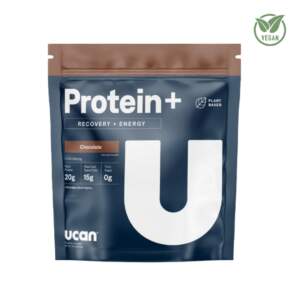
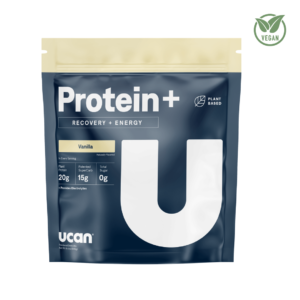
What to do: Replace soy sauce 1:1 with tamari in marinades, dressings, and finishing sauces. For heavy-flavour marinades (e.g., beef + veg night before long run), use tamari plus a little UCAN Energy + Protein in your recovery shake post-session for a simple 3:1 carb:protein recovery strategy.[12]
Why it works: Tamari is traditionally a by-product of miso production and made primarily from soybeans without wheat. The flavour is typically deeper and less sharp than standard soy sauce because of the different fermentation balance.
How to apply: In training cycles, test tamari in small amounts during mid-week tempo dinners and in race-week dinners. If you tolerate it, use tamari in your pre-race meal the night before long events like the Gold Coast Marathon. Still check labels — some mass-produced tamari products may contain small amounts of wheat.[3]
What to do: Use coconut aminos for lower-sodium dressings, quick post-easy-run stir-fries, or when you want a milder, sweeter profile. It pairs well with citrus and ginger-based marinades for chicken or fish pre-race dinners.
Why it works: Made from fermented coconut sap, coconut aminos are soy-free and significantly lower in sodium, which can help athletes keep overall sodium intake in check when using multiple electrolyte products on training days.
How to apply: For hot training weeks when you’re also using electrolyte products, swap to coconut aminos for mid-week meals and keep tamari for heavier race-week meals. Try it first on a recovery meal after a long ride to ensure no GI surprises.
| Alternative | Key Ingredient | Flavour Profile | Sodium (per 15ml) | Best For Athletes |
|---|---|---|---|---|
| Tamari | 100% soybeans (traditional) | Rich, complex umami; less sharp than standard soy | ~940 mg (varies by brand) | Marinades, heavier race-week dinners, athletes who need robust flavour |
| Coconut Aminos | Fermented coconut sap | Mildly sweet, less salty | ~270 mg (varies by brand) | Low-sodium diets, light dressings, athletes already supplementing electrolytes |
Both alternatives are athlete-friendly; choose by taste and sodium strategy. Want to reduce prep complexity? Keep one bottle of tamari and one bottle of coconut aminos in your kitchen — they cover 95% of race-week needs.
Let’s tie this to training outcomes. A single bout of GI inflammation or malabsorption during a training block increases the risk of incomplete recovery, reduced session quality, and missed adaptation. For endurance athletes where marginal gains matter (think sub-pace thresholds on tempo days or the difference between negative-splitting a marathon or not), the gut is a performance-critical organ.
What to do: Treat your gut like equipment: test foods in training, avoid new condiments in the three days before key sessions, and use certified gluten-free products if you are sensitive.
Why it works: Ongoing low-grade inflammation reduces the effectiveness of mitochondrial adaptation to training and impairs glycogen replenishment. You’ll notice this as persistent fatigue and poor session quality — things that compound over a block.
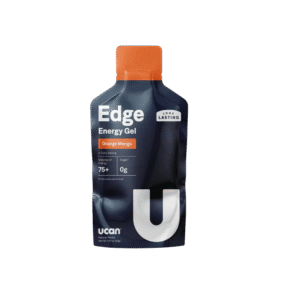
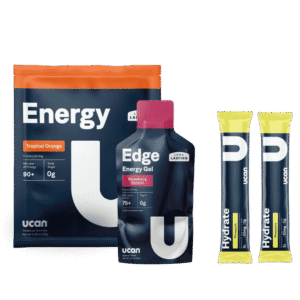
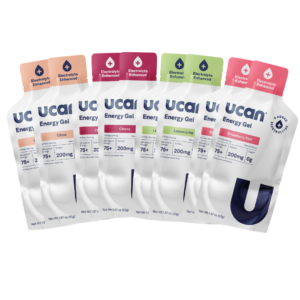
How to apply: During heavy training weeks, prioritise simple, proven meals and familiar condiments. Use UCAN Energy Gel 15–30 minutes before high-intensity intervals that require consistent power, and follow long runs with UCAN Energy + Protein to simplify your 3:1 recovery routine.[12]
For athletes in heat training (e.g., Brisbane summers) or travelling for races (Ironman Cairns), these precautions protect you from unpredictable food handling and cross-contact risks.
UCAN products focus on steady, gut-friendly fuel — the same principle applies to condiments. Removing hidden irritants like wheat from your diet reduces baseline GI stress so your body can prioritise repair and adaptation, rather than constant immune activity.
Here are the quick, clear answers you need for tricky situations on the road or at race HQ.
No. ‘Light’ or ‘low-sodium’ refers to salt content — not grains or wheat. These products are often brewed with wheat just like the standard versions. Only buy products explicitly labelled ‘gluten-free’ or carrying the Coeliac Australia endorsement.[2][3]
Mostly yes, but check the label. Traditional tamari is made from soybeans without wheat, but some industrial versions include wheat. For full confidence, look for the crossed-grain logo or an independent lab result.
Assume all soy sauce used in kitchens contains gluten unless the restaurant can prove otherwise. Ask for tamari or a gluten-free soy sauce; if you’re highly sensitive, bringing a small sealed bottle of tamari is a prudent race-week option. When travelling for an event like Ironman Cairns, plan pre-race meals at trusted, accredited venues or pack your own.
[1] Ito K. Koji molds for Japanese soy sauce brewing. Microorganisms. 2021. (Review on koji and fermentation processes.)
[2] Food Standards Australia New Zealand. Allergen labelling for consumers — requirements and guidance. (FSANZ guidance on allergen declaration and ‘gluten-free’ claims.)
[3] Coeliac Australia. Endorsement & Accreditation information — how the crossed-grain logo works and what it guarantees.
[4] Allwood JG, et al. Fermentation and the microbial community of Japanese koji — role in flavour formation. J Food Sci. 2021. (Overview of fermentation stages and enzyme function.)
[6] Zhang L, et al. Key proteolytic enzymes produced by koji molds and their action in soy sauce production. Microbiol Spectrum. 2023.
[9] Coeliac Australia. Making a gluten-free claim — testing and labelling expectations for manufacturers.
[11] Lerner BA, et al. Detection of Gluten in Gluten-Free Labeled Restaurant Food. Nutrients. 2019. (Study discussing the 20 ppm threshold and real-world detection.)
[12] UCAN product guidance and performance nutrition protocols — internal product usage recommendations (UCAN Energy Gel & UCAN Energy + Protein) for pre-interval fueling and post-session recovery.
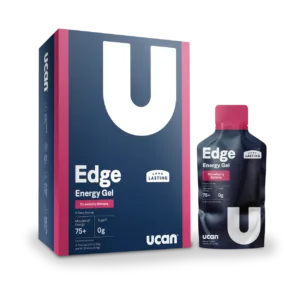
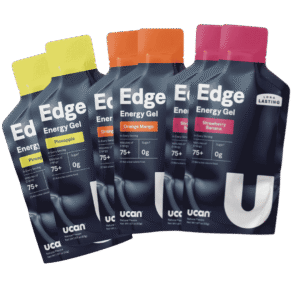
Practical next step: Keep one bottle of certified tamari and one bottle of coconut aminos in your kitchen. For race-week simplicity, pack tamari in your travel kit and stick to foods you’ve trialled in training. For convenient on-the-road fuelling, consider UCAN Energy Gels and UCAN Energy + Protein for consistent, gut-friendly nutrition.
👉 Shop UCAN Energy Gels • 👉 Shop UCAN Energy + Protein
Author: Generation UCAN — Performance Nutrition for Endurance Athletes. Reviewed by sports nutrition and gut health specialists. Last updated: 15 October 2025.

Get a free shipping on all orders over $200 (Australia)

Write us an e-mail: sales@generationucan.com.au

If you order before 12am, your package will be received within 2 days.

We ship in South Asia, send us an e-mail: sales@generationucan.com.au
Sign up for our newsletter for all the latest news and offers.

At UCAN, we believe in the combined power of innovation, science, and sports nutrition. We’re on a mission to empower athletes at all levels to achieve their personal best, and reach beyond their own expectations.

© Created by September Studio – Designer and WP developer | Copyright Generation UCAN Ltd

Comments are closed