Basmati rice nutrition is simple on paper and easy to get wrong in practice. Used properly it fills your glycogen stores before a long session and refills them afterwards. Used badly it sits in your stomach at kilometre five. This guide covers the numbers, then the part most articles skip, which is what to eat, when, and how to bridge from your rice meal to the fuel you carry with you.

Contents
Rice does the same job for everyone, but the timing changes depending on what you are training for. Start with the row that matches you.
Your rice meal is the night before and two to three hours pre-run. Anything closer and you carry it with you.
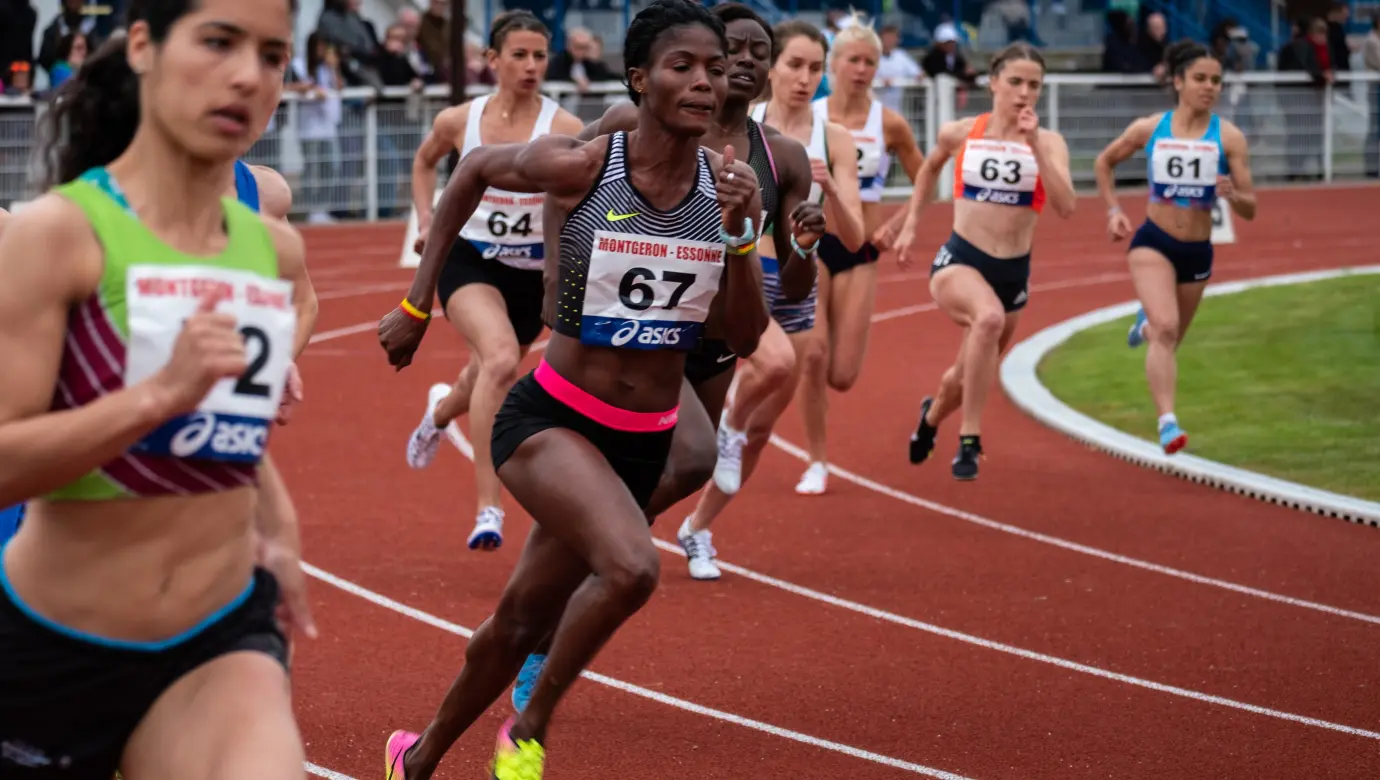
Past 75 minutes of running, rice cannot help you. That is where a gel takes over.
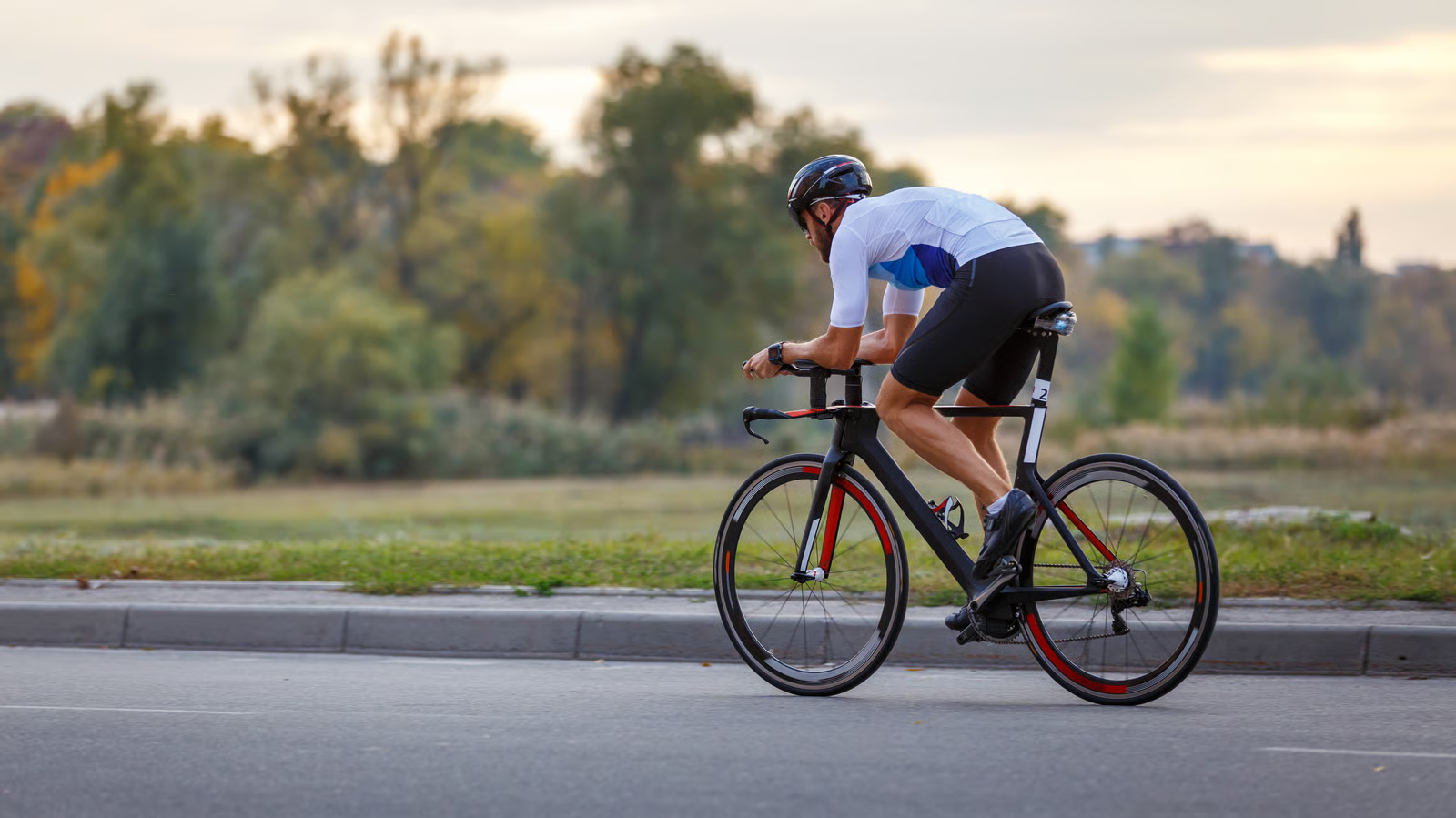
Rice carries you through the swim and the early bike. After that your gut is under load and solid food stops working.
Plan the handover point before race day, not during it.
You need rice less often than endurance athletes but you need it closer to the session, roughly two hours out.
Recovery matters more than pre-loading for most training blocks.
Everything below assumes you already train. If you want the fuelling protocol for a specific event, the marathon fuel plan, the triathlon guide and the fitness and CrossFit guide go deeper than a rice article can.
Give yourself two to four hours between a rice meal and a hard session. That window lets you digest and absorb without carrying a full stomach into the effort.
| Session | Rice meal | Closer to go time |
|---|---|---|
| 6am intervals | Dinner the night before, 2 to 3 cups | Energy powder 30 to 45 min before |
| 3pm long run | Lunch at midday, 2 cups | Gel at the start line |
| Race morning | Night before carb load | Energy powder 2 hours out, gel at 30 min |
| Evening gym session | Lunch, 1 to 2 cups | Energy powder 30 min before |
The pattern is the same across all four. Rice builds the base hours out. Something lighter and faster bridges the last stretch, because a plate of rice ninety minutes before a session works against you.
UCAN Energy Powder mixes with water and sits light. One serve holds 20g of LIVSTEADY and releases it across 75 minutes or more, so you get the same slow release you get from rice without the digestion time. Take it 30 to 45 minutes before you start.
Aim for 7 to 10g of carbohydrate per kilogram of bodyweight per day across the 48 to 72 hours before a long race, while your training load drops. For a 70kg runner that lands between 490g and 700g of carbohydrate a day.
Basmati makes that target reachable without eating all day. Three cups of cooked rice gives you roughly 135g of carbohydrate on its own.
72 to 48 hours out. Brown or white basmati at lunch and dinner. Training tapers.
48 to 24 hours out. Switch to white basmati. Cut fibre, keep fat low, avoid anything you have not eaten before.
Race eve. Two to three cups of white basmati with familiar lean protein and simple veg. Finish eating three to four hours before bed.
Once you are moving, blood flow shifts away from your gut toward your working muscles. Solid food stops being an option. For most athletes that line sits somewhere around the 75 minute mark, earlier if the effort is hard or the day is hot.
Past that point you need carbohydrate that absorbs without needing much water and without sitting in your stomach. Most gels solve the first problem with sugar and create a second one, because sugar pulls water into your gut and that is what causes the sloshing and cramping runners hit late in a race.
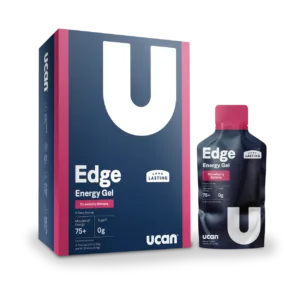
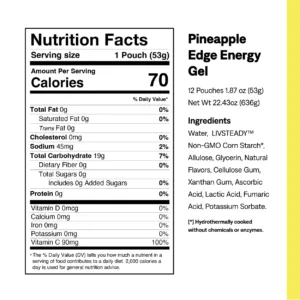
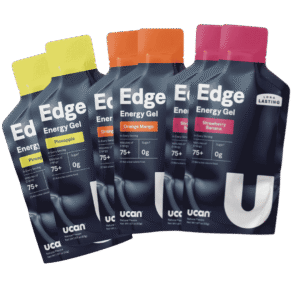
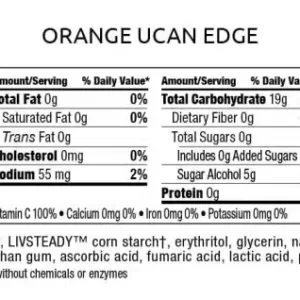
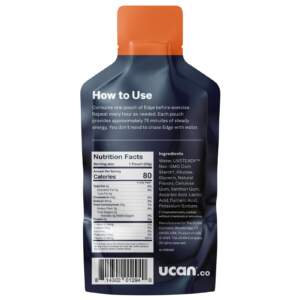
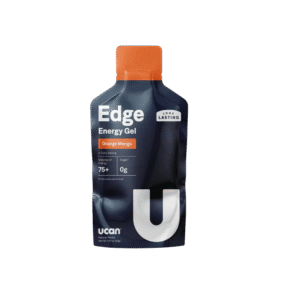
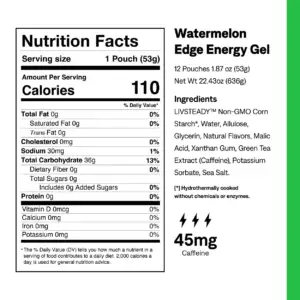
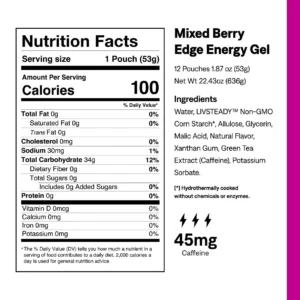
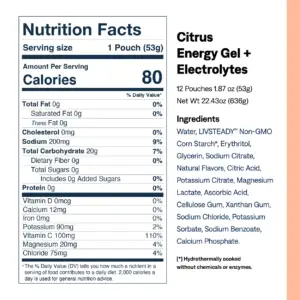
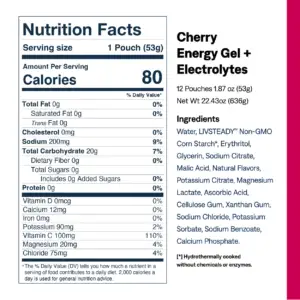
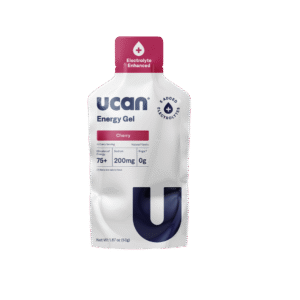
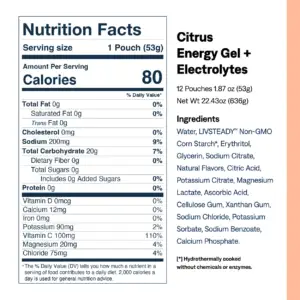
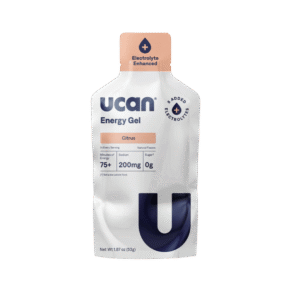
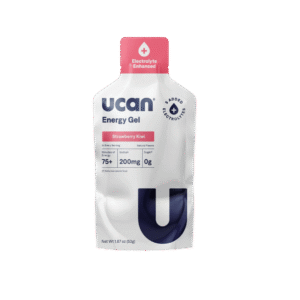
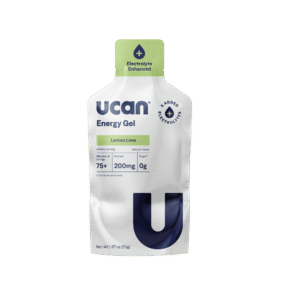
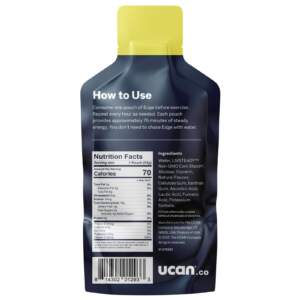
UCAN Edge takes a different route. Each pouch holds 15g of LIVSTEADY, releases it over 75 minutes or more, and contains no sugar at all. Over a four hour marathon that means three gels instead of nine, and a stomach that is still cooperating at kilometre 35.
Pair it with sugar free electrolyte drinks to replace what you lose through sweat, particularly in an Australian summer.

Your muscles absorb carbohydrate fastest in the first hour after you stop. Pair rice with protein in roughly a three to one ratio and you replace glycogen while giving your body what it needs to repair.
| Session | Cooked basmati | Protein |
|---|---|---|
| Intervals, 60 to 90 min | 125g | 20g |
| Long run or ride, 3 hours plus | 200 to 300g | 30g |
| Gym session | 125 to 150g | 25g |
The practical problem is that you are rarely near a kitchen when you finish. Most athletes lose that first hour driving home. UCAN Energy + Protein bridges the gap, combining LIVSTEADY with protein in one shake, so you start recovery straight away and eat properly once you get home.
Is brown basmati better than white for athletes?
Brown suits everyday training because of the extra fibre and micronutrients. White suits the 24 to 48 hours before a race, when you want fast gut transit and minimal fibre. Neither is better in isolation, they do different jobs.
How much basmati rice should I eat before a marathon?
Work from 7 to 10g of carbohydrate per kilogram of bodyweight per day across the loading period. For a 70kg runner that is 490 to 700g of carbohydrate daily. Two to three cups of cooked basmati at your main dinner is a sensible anchor, adjusted for your size and appetite.
Can I eat basmati rice during a race?
No. Once you are moving, blood flow shifts away from your digestive system and solid food stops being absorbed properly. Use a gel or a drink mix instead. UCAN Edge delivers 15g of LIVSTEADY per pouch with no sugar, which absorbs without pulling water into your gut.
How long before a run should I eat rice?
Two to four hours for a full rice meal. If your session is closer than that, switch to something lighter. UCAN Energy Powder mixed with water works 30 to 45 minutes out and gives you the same slow release without the digestion time.
Does rice replace electrolytes?
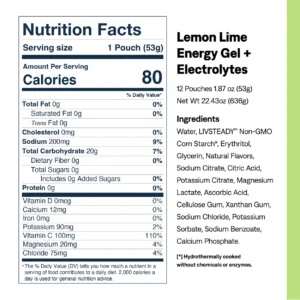
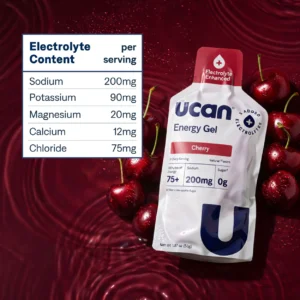
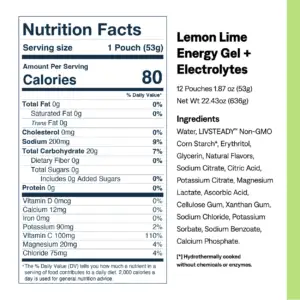
No. Rice gives you carbohydrate, not the sodium, potassium, magnesium, calcium and chloride you lose through sweat. Replace those separately with a sugar free electrolyte drink, especially through summer.
Comments are closed