📦 Energy Gel EDGE Watermelon + Caffeine back in stock | 🇦🇺 Free shipping in Australia over 220 AUD
$0.00
0
Sports Drink vs Electrolyte Drink: Which One Do You Actually Need?
Walk into any servo, supermarket or sports store in Australia and you will see two categories sitting next to each other: sports drinks and electrolyte drinks.
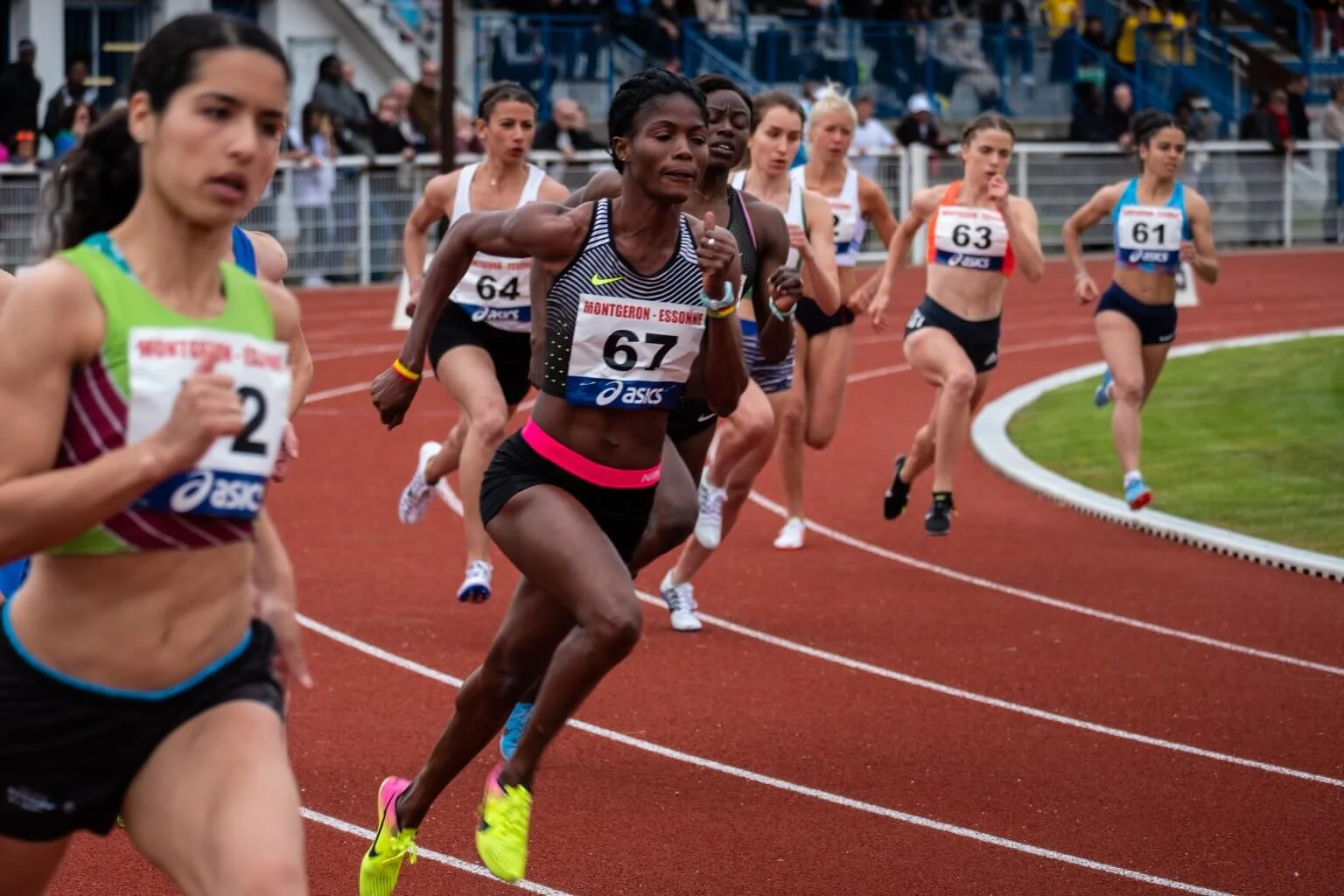
They look similar, they make similar promises, and most people grab whichever one is on special. But for athletes, runners, cyclists, triathletes, team sport players and anyone working outdoors in heat, the difference matters a lot more than the marketing suggests.
This guide covers what is actually in each, when sugar helps and when it hurts, and how to choose for the kind of training and racing you do.
The short version
Under 90 minutes at high intensity, a sports drink does the job and the sugar is useful. Past 90 minutes, the sugar becomes the limiting factor rather than the benefit, because you have to drink in volume and your stomach has to keep up. That is the whole decision.
Sports drink vs electrolyte drink: the real difference
The terms get used interchangeably, but the products are not the same.
A traditional sports drink is built around two things: sugar, usually 25 to 35 g per bottle, and sodium. The sugar is the headline ingredient, fast absorbing carbohydrate designed to deliver energy quickly. Sodium is added to support fluid uptake and replace what you sweat out. Most mainstream sports drinks in Australia fall into this category.
An electrolyte drink leads with minerals, sodium, potassium, magnesium and chloride, with little or no sugar. Some are pure electrolytes, often sold as tablets or low calorie powders. Some pair electrolytes with a smarter carbohydrate source. The focus is hydration first, energy second.
The category split comes down to one question: how much sugar are you drinking, and is your session long or hard enough to actually use it?
Factor
Sports drink
Sugar free electrolyte drink
Leads with
Sugar, then sodium
Minerals, no sugar
Sugar per serve
25 to 35 g
0 g
Sodium per serve
Around 200 to 230 mg per 500 ml
300 to 330 mg per serve for UCAN Hydrate
Magnesium and calcium
Usually absent
Present in a complete formula
Best session length
Under 90 minutes
Any length, and it does not touch your fuel plan
Drinking in volume
Hard past a litre an hour
Comfortable
When a sugary sports drink helps
Sugar is not the enemy. In the right context, short and high intensity efforts where you need carbohydrate fast and cannot carry food, a sports drink does the job.
Where it makes sense:
A 60 to 90 minute team sport match, footy, hockey or tennis, where you need energy quickly between phases.
A short, hard race effort where your stomach tolerance for solids is low.
Heavy manual work in heat where you have burned through breakfast and need the kilojoules.
In all three cases the session ends before the shape of the energy curve becomes a problem.
When a sugary sports drink becomes a problem
The maths changes the moment your session goes past 90 minutes. Drinking 25 to 35 g of sugar an hour, every hour, for three to six hours, is where sports drinks start working against you.
The energy arrives fast and leaves fast. Most experienced endurance athletes know the flat patch that turns up twenty minutes after a sugary gel or drink.
Stomach load. High osmolality sugar drinks empty more slowly from the stomach, which is why long distance athletes report bloating and nausea on race day.
Sticky kit. Sugar dries into a residue that gums up bidons, soft flasks and bottle valves.
The volume problem. In Australian heat you might need 800 ml to a litre an hour. That is 50 to 70 g of sugar an hour. Most stomachs do not tolerate that for long.
This is the gap sugar free electrolyte drinks were designed to fill.
What to look for on the label
Not all electrolyte drinks are equal. Some are more or less salt water with flavouring. Others are properly formulated for sport. Here is what to check:
Sodium. Convert it to a per litre figure so you can compare brands with different serve sizes. Below 100 mg per serve it is barely doing the job in hot conditions.
Potassium, magnesium and chloride. A complete electrolyte profile, not just sodium. Magnesium and calcium are the two most often left out.
Sugar. Look for zero added sugar on long session products. If there is carbohydrate, check what kind. Fast sugar behaves very differently from slow release carbohydrate.
Sweeteners. Naturally sweetened drinks, stevia or monk fruit, are easier to keep drinking across hours than artificial sweeteners, which some athletes find hard on the gut in volume.
Carbohydrate type. If you want energy alongside hydration without the drop, look for slow release carbohydrate rather than glucose or maltodextrin alone.
There is a longer version of this label check, with all four product categories on the Australian shelf compared side by side, in our guide to choosing an electrolyte drink.
UCAN Hydrate: sugar free electrolytes built for long sessions
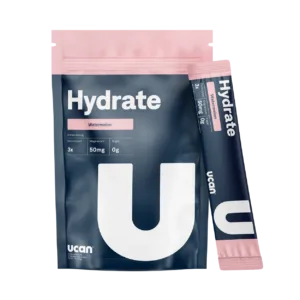
UCAN Hydrate sits in the gap most mainstream sports drinks miss: long, hot training where you need to drink in volume without loading up on sugar.
Per 3 g serve in 500 ml: 300 to 330 mg of sodium depending on flavour, plus 100 mg potassium, 150 mg chloride, 50 mg magnesium and 20 mg calcium. Zero added sugar, zero carbohydrate, no artificial sweeteners, naturally flavoured with stevia leaf extract.
Available in Berry, Lemon Lime, Watermelon and Pineapple, in single serve packets and 30 serve jars. Pineapple carries the most sodium at 330 mg, which is the one to reach for on the hottest days. Everything else in the formula is identical across the four, so the rest of the choice is taste.
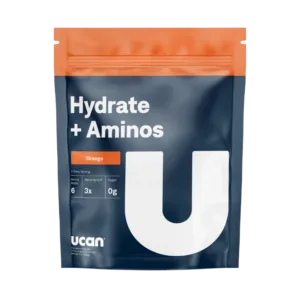
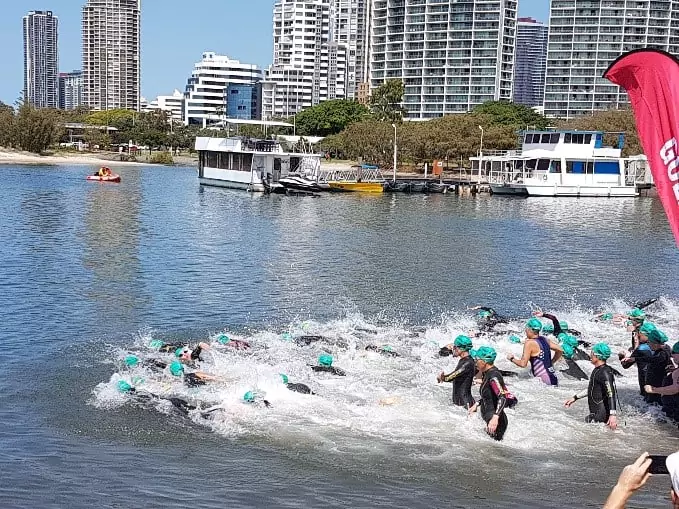
For sessions over 90 minutes where you also want amino acid support, Hydrate + Aminos adds six amino acids to the same electrolyte base. Built for marathons, half and full distance triathlon, ultras and multi day events.
How to use it across a training day
A simple, defensible hydration routine for Australian conditions.
When
What to do
30 to 60 min before
One serve of Hydrate in 500 ml of water. You start on the front foot rather than playing catch up.
During the session
Sip steadily. Most athletes work in a range of 500 to 750 ml per hour in heat, more if you sweat heavily, less in cool conditions.
Sessions over 90 min
Consider Hydrate + Aminos for the added amino acids, or run standard Hydrate alongside your gels.
After
Replace fluid and electrolytes alongside your normal recovery meal. Pair with a protein source within an hour or two.
If you want your own numbers rather than a range, the sweat rate test takes one long run and a set of bathroom scales. It is set out in the hydration for marathon training guide.
Sports drink or electrolyte drink: the quick decision
Choose a sports drink if
Your session is under 90 minutes
The intensity is high
You have no other fuel plan and want energy from the bottle
Sugar in volume does not bother your stomach
Choose a sugar free electrolyte drink if
You train long, and you train often
You race in heat or humidity
Your stomach struggles with sugar late in a session
Your carbohydrate already comes from gels or powder and you do not want to double up
And choose Hydrate + Aminos if your session is over 90 minutes and you want electrolytes and amino acids in one drink.
If the fuel side is the part you have not settled yet, the energy gel comparison covers what goes alongside the bottle.
Frequently asked questions
Is an electrolyte drink better than a sports drink?
Neither is universally better, it depends on the session. Sugary sports drinks suit short, high intensity efforts where carbohydrate arriving fast is useful. Sugar free electrolyte drinks suit long, hot or repeated sessions where high sugar volume becomes the limiting factor. Many endurance athletes use both at different times.
Can I drink electrolytes every day?
Most people do not need a sports electrolyte drink on rest days or for casual hydration. Water and a balanced diet cover normal daily needs. They earn their place around training, racing, outdoor work in heat, or recovery from heavy sweat sessions. Because Hydrate carries no carbohydrate and no kilojoules, a daily serve in hot conditions costs you nothing nutritionally.
Are sugar free electrolyte drinks actually better for endurance?
For sessions over 90 minutes, most athletes find a sugar free or low sugar electrolyte drink easier to tolerate in volume than a high sugar sports drink. If you also need carbohydrate for energy, the cleaner approach is to add a slow release carbohydrate source separately rather than load up on fast sugar in the bottle.
How much sodium do I actually need during exercise?
Most published guidance for endurance events sits between 300 and 600 mg of sodium per hour, with the upper end for heavy or salty sweaters in heat. Body size, sweat rate, sweat sodium concentration, temperature and effort all move the number, which is why the sweat rate test is worth doing once.
Do I need a sports drink for a 5km parkrun?
No. For most people a 5 km effort is too short to need carbohydrate or electrolytes mid session. Hydrate normally before, run, and rehydrate after. Save both categories for the sessions where they actually do work.
Can I use an electrolyte drink and energy gels at the same time?
Yes, and it is the cleanest way to run the two systems separately. UCAN Hydrate carries no carbohydrate at all, so adding it changes nothing about your fuelling maths. Add the sodium from your gels to the sodium in your bottle to get your hourly total.
Nutrition figures read from current Australian pack labels. Competitor figures from published nutrition panels, correct as at August 2026. Guidance here is general and not individual advice. Sweat rate and sweat sodium concentration vary widely between individuals and change with heat, humidity and fitness. Adjust from here based on your own testing.
Three ways to carry it
Same formula, same 3 g serve. Pick on where you will be drinking it.
Recovery Nutrition Tips for Runners Recovery nutrition for runners is key to replenishing and refueling to ensure that you have energy stores available to use...
FUELING YOUR PERSONAL BEST American Half Marathon Record Holder Emily Sisson relies on UCAN for long-lasting energy with no crash. SUSTAINED ENERGY WITHOUT GI DISTRESS...



 28Oct
28Oct  by
by 



Comments are closed